2026-11-14 · Miguel Torres
What Affects Water Damage Repair Costs in San Antonio
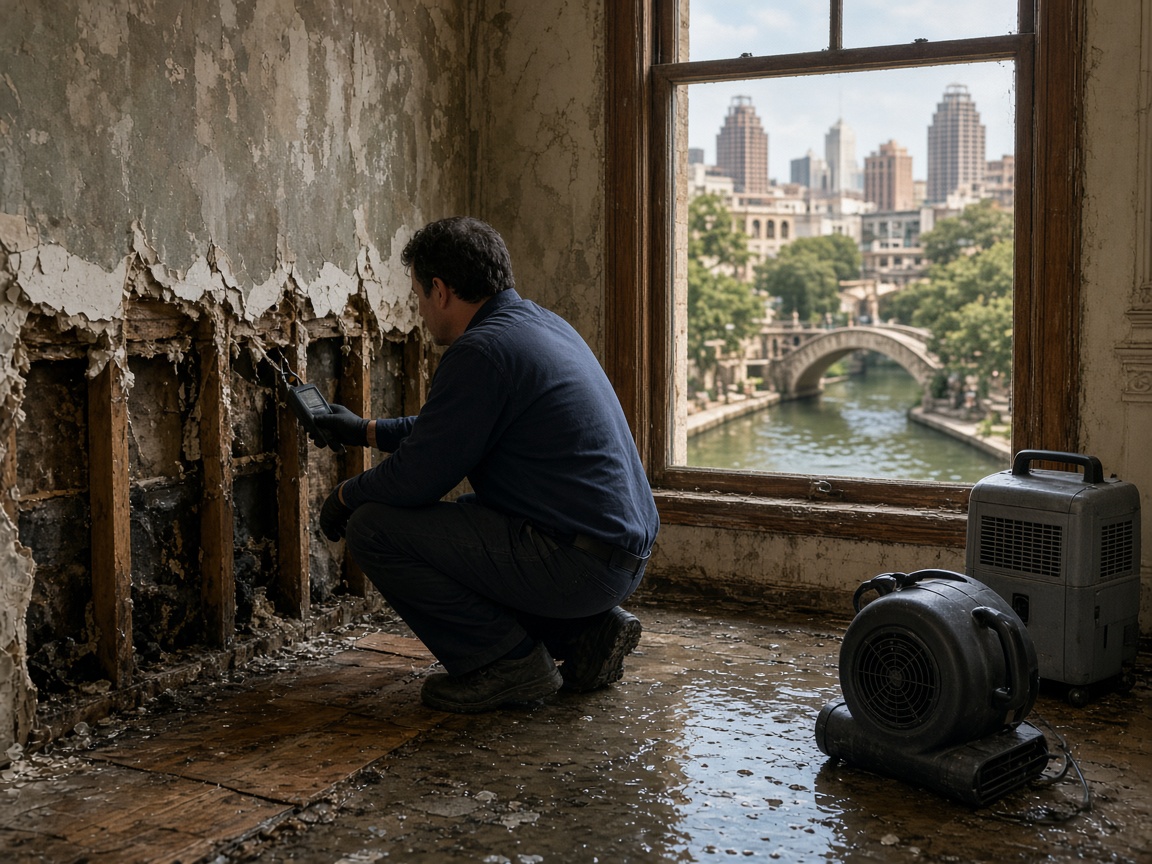
Water Damage Repair costs in San Antonio vary most by the volume of water involved, the materials affected, and the time before extraction begins, commonly falling between $1,800 and $7,500 for typical residential jobs. These ranges shift with the realities of older housing stock, flash flooding near the River Walk, and access challenges in dense areas like Downtown. Homeowners in Alamo Heights or King William often see higher totals because plaster walls and slab foundations require extra demolition and drying steps. The following sections break down the main drivers with concrete examples from daily work across Bexar County.
Extent of Water Intrusion and Affected Materials
The amount of standing water and the surfaces it reaches determine the largest share of any Water Damage Repair bill. A small leak under a kitchen sink that soaks only plywood subfloor might require $2,000–$3,500 in extraction, drying, and replacement. When water travels through multiple levels or saturates insulation behind lathe-and-plaster walls, costs climb quickly because crews must remove more material and run dehumidifiers longer. In Southtown bungalows, original hardwood floors often cup after River Walk-area flooding, forcing full replacement rather than sanding. Commercial spaces near The Alamo face added expenses from carpet tile removal and HVAC duct cleaning. Technicians track moisture with meters at every step to avoid hidden pockets that later cause mold, which directly increases the final invoice.
Age and Construction Details of Local Homes
San Antonio neighborhoods contain housing built from the 1890s through the 1970s, and each era brings distinct repair complications. King William Victorian homes frequently have balloon framing and multiple layers of flooring that trap moisture, extending drying times by several days. Southtown cottages often sit on pier-and-beam foundations where crawlspace access is tight, requiring extra labor to place air movers. Newer Downtown condos use lightweight concrete slabs that hide leaks until they reach neighboring units, raising coordination costs. Checking for hidden leaks in older San Antonio homes becomes essential because original cast-iron pipes in these blocks corrode from the inside out. The type of wall cavity and floor system directly changes how long equipment must run and how much demolition occurs before repairs begin.
Seasonal Weather and Regional Terrain Effects
Hot summers in Bexar County drive up air-conditioning condensate leaks and roof flashing failures, while mild winters reduce freeze-related bursts yet still allow occasional heavy rain events. Summer flash floods push water into low-lying lots near the San Antonio Zoo and along the River Walk, saturating yards and crawlspaces that stay damp longer because of clay soils. Crews working after these events must account for higher humidity levels that slow evaporation, often adding 24–48 hours of drying time. Properties in Alamo Heights on slight slopes drain faster than flat lots in Southtown, affecting both equipment runtime and total labor. These weather-driven patterns mean the same square footage of damage can cost noticeably more in July than in February.
Access, Location, and Follow-Up Drying Requirements
Job site access in dense blocks like Downtown or narrow driveways in King William adds time for equipment staging and debris removal. Homes near The Alamo or the River Walk sometimes require permits or after-hours scheduling that shifts pricing. After initial Water Damage Restoration, follow-up visits confirm moisture levels have returned to normal, especially in multi-story structures where water travels through joist bays. Readers can review related details in Water Damage Repair After Summer Flash Floods in San Antonio or learn more about the full process at the Water Damage Repair service page. Accurate scoping on the first visit prevents surprise charges later.