2026-11-14 · Miguel Torres
Checking for Hidden Leaks in Older San Antonio Homes
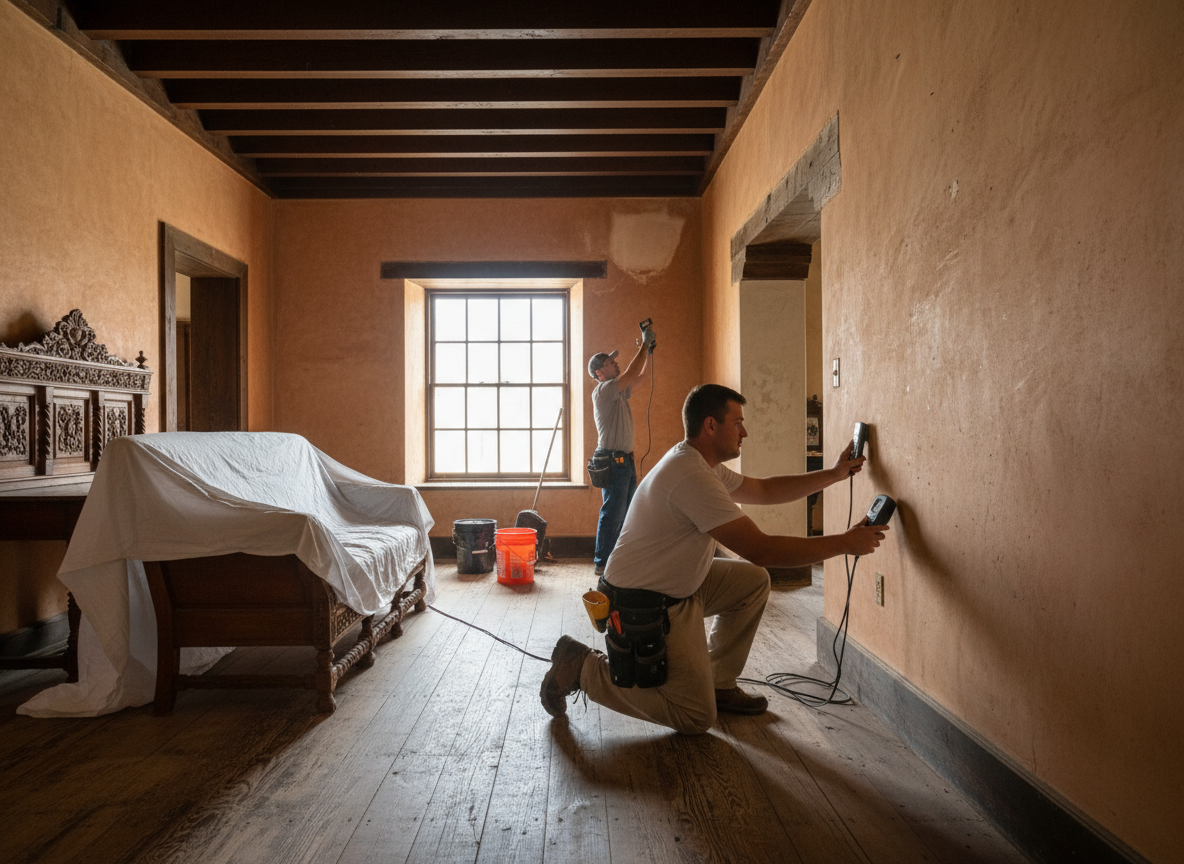
Older homes in San Antonio neighborhoods such as Alamo Heights, King William and Southtown frequently hide leaks behind plaster walls and under original flooring. Check for musty odors near baseboards, slight discoloration on ceilings, or soft spots in hardwood floors during the transition from hot summers to mild winters when pipes expand and contract. These signs often appear first in homes built before 1950 that still use galvanized supply lines running through crawl spaces or slab foundations common across Bexar County.
Spotting Early Indicators in Historic Construction
In King William and Southtown, many 1920s–1940s homes feature thick plaster over lath that masks slow drips from threaded joints. Walk through each room monthly and press gently on walls near bathrooms and kitchens; any give or cool spots indicate moisture trapped behind the surface. Pay attention to the area around The Alamo and River Walk where older downtown properties share similar plumbing runs that corrode faster due to constant humidity. A faint hissing sound near shutoff valves or a sudden drop in water pressure when multiple fixtures run points to pinhole leaks in copper or galvanized lines that have served these homes for decades.
Using Simple Tools on Slab and Crawl-Space Homes
Most pre-1970 residences in Alamo Heights sit on concrete slabs or shallow crawl spaces where leaks travel along the foundation edge before surfacing. Use a moisture meter on drywall and wood trim; readings above 15 percent in an otherwise dry room warrant further inspection. Listen with a mechanic’s stethoscope or even a long screwdriver against pipes while the main valve is open; running water sounds outside normal fixture use reveal hidden flow. During mild winter months, check exterior hose bibs and irrigation valves near the San Antonio Zoo area where soil shifts slightly with seasonal rain and can stress older supply lines.
Checking High-Risk Zones Common to Bexar County Homes
Focus first on bathrooms added during the 1950s–1960s remodels in Southtown and Downtown properties, where new fixtures were often tied into original galvanized runs. Remove access panels under sinks and behind tubs to inspect for mineral buildup or rust stains on shutoff valves. In laundry rooms, slide appliances away from walls and examine the floor for darkened grout lines or warped baseboards. Kitchen sink drains in older Alamo Heights homes frequently leak at the trap or disposal connection; place a dry paper towel under joints overnight and check for dampness the next morning.
Link naturally to further reading when patterns suggest ongoing issues: Water Damage Repair explains targeted fixes for slab leaks common in these neighborhoods. For cost considerations that affect older homes, review What Affects Water Damage Repair Costs in San Antonio. Additional guidance on full Water Damage Restoration appears when leaks have already affected subfloors or insulation.
Knowing When Professional Assessment Is Needed
If moisture readings stay elevated or you notice recurring musty smells near the foundation in homes around King William, contact a local crew familiar with Bexar County construction. Technicians can pressure-test lines without cutting into historic plaster and locate leaks using acoustic or infrared equipment suited to slab homes. Schedule checks during business hours at 226 College St, San Antonio, TX 78205 when Mon–Fri 8am–6pm or Sat 9am–2pm to arrange an on-site evaluation before small drips turn into larger restoration projects.